
Disclosure: This post about “dog not eating” contains affiliate links. If you click through and make a purchase, I may earn a commission — at no extra cost to you. I only recommend products and courses I genuinely believe in, and all opinions expressed here are my own.
A quick note before we start. I’m a certified dog trainer, not a veterinarian. Everything below is general, educational information, not medical advice for your specific dog. If you’re ever worried about your dog’s health, please talk to your own vet. If you don’t have one you trust yet, I’ve written a full guide on how to choose a veterinarian for your dog that can help.
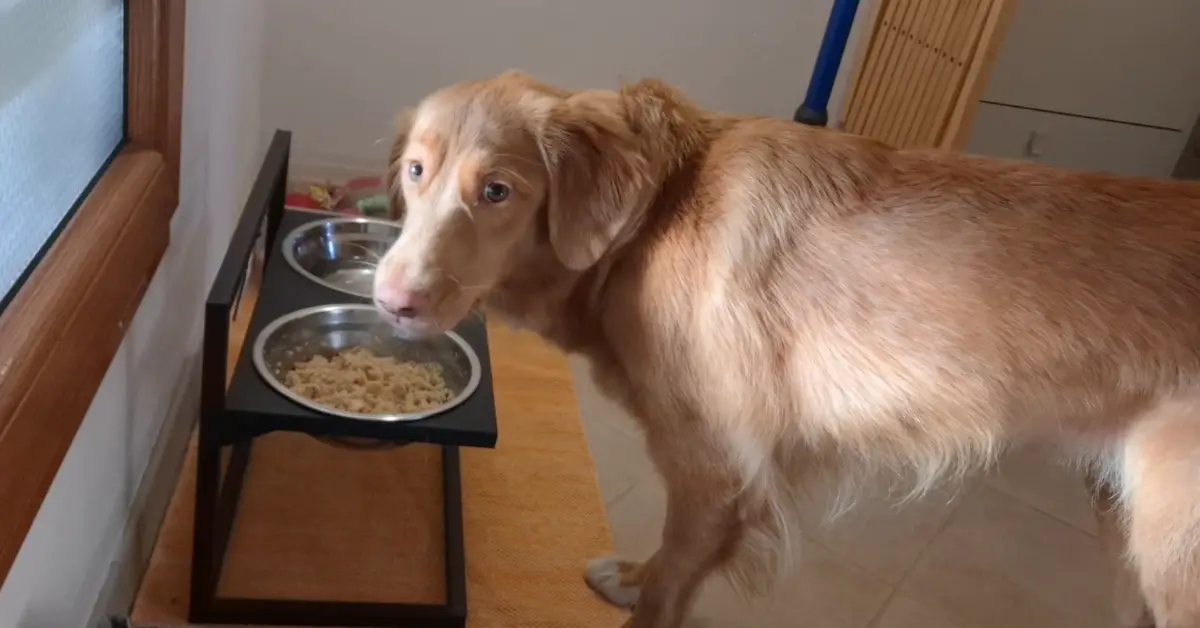
It feels strange, doesn’t it? Your dog, who normally acts like every meal might be his last, suddenly walks right past a full bowl. A dog not eating catches most owners off guard.
It goes against everything we think we know about dogs and food. Take a breath first. In most cases, this is a short-lived, completely ordinary hiccup.
But there are also times when it’s an early signal worth taking seriously. This guide walks you through both, so you know exactly which one you’re dealing with, and exactly what to do next.
The Reasons a Dog Not Eating Usually Isn’t a Big Deal
New Food on the Menu
Puppies and adult dogs alike can be surprisingly cautious around something unfamiliar. Some dogs sniff a new food and simply turn their head away. This is a normal, temporary reaction, not a red flag. Give it a day or two. Stick with a slow transition between foods rather than a sudden swap. Mix a little more of the new food in each day.
A Big Distraction
Sometimes a dog forgets food exists entirely, at least for a little while.
The classic example is an intact male catching the scent of a female dog in heat somewhere nearby. Food becomes the last thing on his mind in that moment. I wrote a full piece on what actually happens during a female dog’s heat cycle. It’s worth a read if you want to understand this particular distraction in more depth.
Loud noises, an unexpected visitor, or unusual weather can cause the same brief loss of interest. Before you worry, think back on what else was happening around mealtime.
Plain Old Tiredness
A dog who just finished an intense hike, a hard training session, or a long play date is often too worn out to care about dinner.
Let them rest for a bit before offering food again.
This pattern is especially common right after a female dog gives birth. Many new mothers skip food almost entirely for the first day, fully focused on their puppies instead.
A New or Unfamiliar Environment
Stress from a change of scenery can shut down appetite fast. A long car ride followed by an unfamiliar house is a common trigger. Boarding kennels are another, especially when your dog is surrounded by strange dogs for the first time.
Even a rearranged living room can be enough for a particularly sensitive dog. Give your dog a little time to settle in before expecting a normal appetite to return.
A Bowl That’s Always Full
This one is a little different, because it’s a habit we accidentally create ourselves.
If food sits out all day, every day, a dog learns to nibble here and there instead of eating a real meal. Over time, that grazing pattern can look a lot like a dog not eating, when really it’s just poor timing built up over weeks.
The fix is simple. Offer food at set mealtimes, then pick the bowl up after about 20 minutes, whether it’s empty or not.
Predictable mealtimes are also one of the clearest ways a dog learns to see you as a calm, reliable leader. It’s something I lean on constantly in my own consistency in dog training.
How Long Is Too Long for a Dog Not Eating?
This is the part everyone actually wants to know, and it deserves a straight answer. According to VCA Animal Hospitals, one of the most cited veterinary resources in the US, changes in a dog’s eating habits always warrant real investigation. It’s not something to shrug off and wait out.
PetMD adds useful specifics. Most healthy adult dogs can technically go three to five days without food if they’re still drinking water. That said, you shouldn’t wait anywhere near that long before calling your vet.
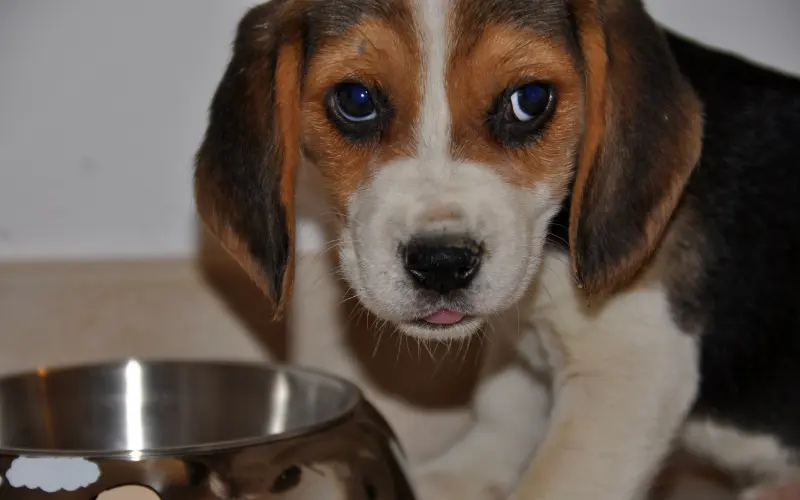
As a general guideline, reach out to your vet if a puppy refuses all food for more than 12 to 24 hours. For an adult dog, that window stretches to roughly 24 to 48 hours.
Puppies have very little body fat to draw on. Their blood sugar can drop to dangerous levels far faster than an adult’s, so err on the side of the shorter window with them. Small and toy breeds deserve the same caution as puppies, even once they’re fully grown, since their reserves are smaller too.
These numbers line up closely with veterinary guidance from years back, so the core advice has genuinely held up over time.
Don’t Wait for the Clock If You See These Signs
Here’s the part I really want to stress.
Those time windows are a ceiling, not a target. A dog not eating alongside any of the following signs means you skip the waiting entirely. Call your vet the same day, regardless of how many hours have passed.
- Watch for vomiting or diarrhea, especially if it repeats more than once.
- Lethargy that goes beyond a lazy afternoon also counts, where your dog seems weak, wobbly, or unusually withdrawn.
- A hard, swollen belly, or a yelp when you touch their abdomen, is another one to take seriously.
- So is drinking noticeably more water than usual.
- Finally, any known exposure to something toxic, like chocolate, grapes, or a houseplant you’re not sure about, means calling right away.
Any one of these turns “let’s wait and see” into “let’s call now.” Trust that instinct. A quick phone call that turns out to be nothing costs you a few minutes. Waiting too long on something serious can cost far more.
What You Can Try at Home, If Your Dog Seems Otherwise Fine
If your dog is bright, playful, and simply skipped one meal with no other symptoms, a few gentle steps often help.
- Try warming the food slightly, or adding a splash of low-sodium broth to make it more appealing.
- Move the bowl to a quieter spot, away from noise or other pets who might be adding pressure.
- A short walk before the next meal can help too; light activity naturally nudges appetite back up for a lot of dogs.
One thing to avoid: don’t hover, coax, or hand-feed out of worry. Dogs pick up on tension quickly. Turning mealtime into a stressful negotiation can make the problem worse, not better.
A calm, matter-of-fact routine around food is part of what K9TI’s Total Transformation Masterclass builds into its training. It includes a specific protocol for staying composed and structured at feeding time, so meals become predictable instead of a source of anxiety for either of you.
None of this replaces a vet visit if something feels genuinely off. It’s simply what to try first, while you keep an eye on the clock and the warning signs above.
Dog Not Eating: The Bottom Line
A dog skipping a meal here and there is rarely a crisis. Dogs are individuals, and an off day happens to the best of them.
What matters is knowing the difference between a shrug-it-off moment and a call-the-vet moment. Now you do. When in doubt, that phone call is always worth making. Your vet would always rather hear from you a day too early than a day too late.
If your own dog has ever gone through a stretch of not eating, and you’d like to share what it was like or what helped, I’d love to hear it in the comments.
There’s no pressure at all; this is simply an open door if you feel like talking about it. Sometimes just knowing another owner went through the same worry, and came out the other side, makes the whole thing feel a little less scary.