
Disclosure: This post about toxic foods for dogs contains affiliate links. If you click through and make a purchase, I may earn a commission — at no extra cost to you. I only recommend products and courses I genuinely believe in, and all opinions expressed here are my own.
A quick note before we start: I’m a certified dog trainer, not a veterinarian. Nothing here replaces professional veterinary advice. If you think your dog ate something dangerous, call your vet or an animal poison control hotline right away. Don’t wait to see what happens.
Toxic foods for dogs are hiding in more places than most people realize. The fruit bowl. The trash can. Even the counter, on a day your dog jumps just a little too well.
I wrote this guide so you’d have two things. A list you can actually use, and a calmer head if the worst happens.
You’re not a bad owner for not knowing all of this already. Nobody hands you a manual when a puppy comes home. Most of these dangers aren’t obvious unless someone points them out first.
Why Dogs Get Into Trouble With Food in the First Place
Dogs are opportunistic eaters by nature. Wild canines never got three scheduled meals a day. They grabbed anything edible the moment it appeared, then dealt with the consequences later.
That instinct never really left our dogs, even the pampered ones sleeping on your couch right now. A dropped grape or an unattended plate isn’t a moral failing. It’s biology doing exactly what it evolved to do.
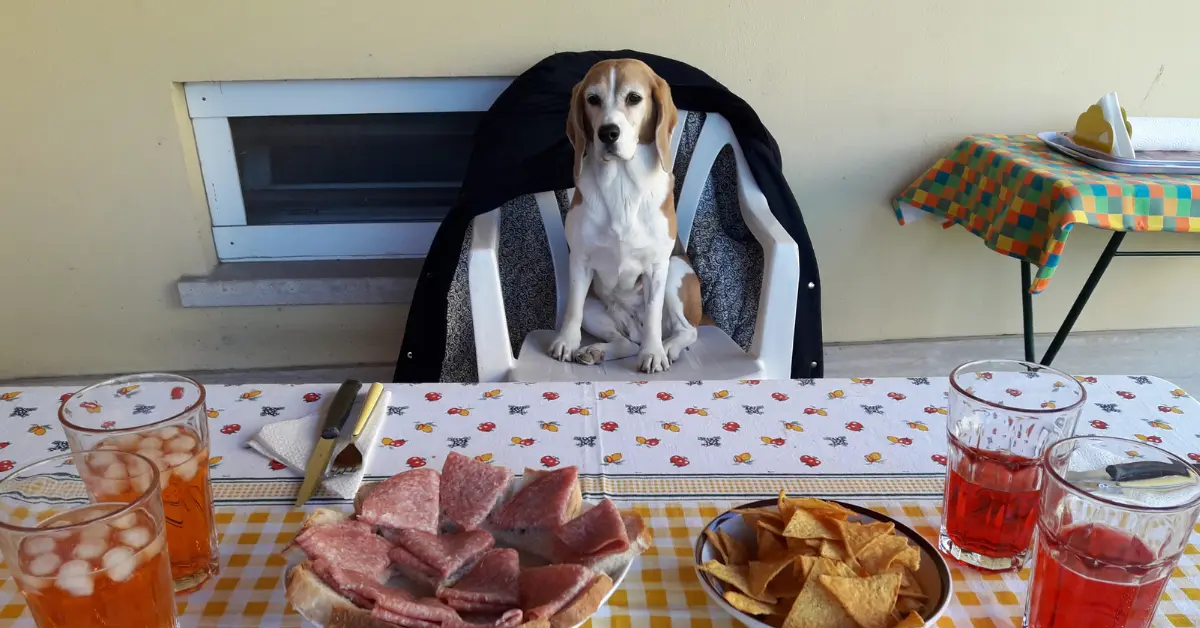
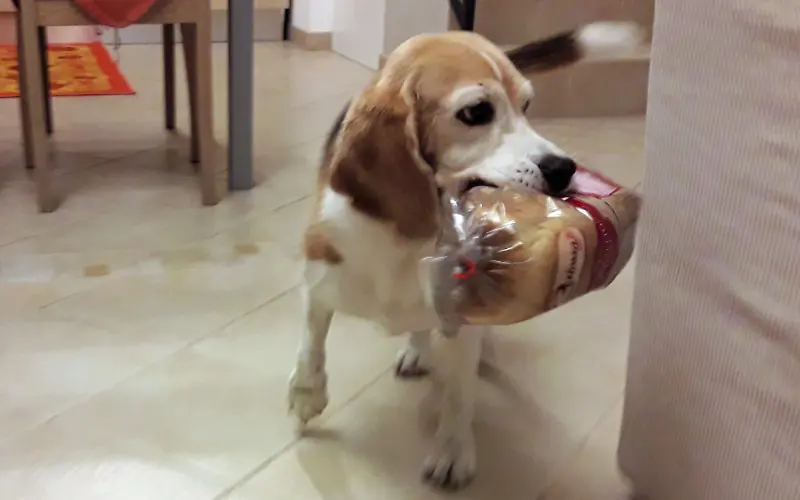
This is also why so many emergencies involving toxic foods for dogs start with begging, counter-surfing, or trash-raiding. They rarely start with someone deliberately handing over something dangerous. Does your dog already beg hard at the table? Read my guide on how to stop a dog from begging for food.
The same drive has him staring you down at dinner. It’s what sends him diving for a chocolate bar on the coffee table.
Understanding the instinct doesn’t excuse the risk. But it explains why “just don’t feed him people food” only solves half the problem. Training the impulse matters just as much as managing the environment.
The Most Dangerous Toxic Foods for Dogs
Some foods cause mild stomach upset. Others can kill a dog within hours. This section covers the second kind — the ones worth memorizing, not just skimming.
Chocolate
Chocolate contains theobromine and caffeine. Dogs metabolize both far more slowly than we do. Darker, more bitter chocolate is more dangerous ounce for ounce. Baking chocolate and cocoa powder are far riskier than a milk chocolate bar.
Even non-lethal doses can cause a racing heart, tremors, and agitation, according to VCA Animal Hospitals. Larger doses can trigger seizures.
Symptoms often take six to twelve hours to appear. Don’t assume your dog is fine just because nothing happened in the first hour.
Xylitol
Xylitol is a sugar substitute found in sugar-free gum, some peanut butters, baked goods, and toothpaste.
It’s one of the fastest-acting toxins on this list. It triggers a sudden insulin surge in dogs, and blood sugar can crash within thirty minutes to two hours. Higher doses can cause liver failure.
The FDA has specifically warned pet owners about this ingredient. It now shows up in so many products without an obvious label warning.
Grapes and Raisins
Grapes and raisins can cause acute kidney failure in dogs. Researchers still haven’t found a truly “safe” amount. Some dogs react badly to a handful; others react to just one or two.
There’s no reliable safe threshold, so the only sensible rule is zero tolerance. That includes raisin bread, trail mix, and grape-based snacks.
Onions, Garlic, and the Allium Family
Onions, garlic, leeks, and chives all damage a dog’s red blood cells. This leads to a form of anemia that can take days to show up.
Powdered versions in broths, sauces, and seasoning mixes are just as dangerous as the raw vegetable. Sometimes they’re more dangerous, since it’s easy to underestimate how much powder ended up in a dish.
Macadamia Nuts and Alcohol
Macadamia nuts can cause weakness, tremors, and a spiking temperature in dogs, even in small amounts.
Alcohol affects a dog’s much smaller body far faster than it affects ours. It doesn’t take a full drink to cause dangerous intoxication.
An unattended cocktail, or a bowl of unbaked, yeasty dough rising on the counter, can be enough.
More Toxic Foods for Dogs Hiding in Your Kitchen
Not everything here is an instant emergency. But each of these still deserves real caution, not a shrug.
- Raw, yeasted bread dough expands in a warm stomach just like it would in an oven. That can cause painful bloating and, in the worst cases, a life-threatening twisted stomach. The fermenting yeast also produces alcohol as it works, adding intoxication on top of the physical danger.
- Avocado flesh and pits contain persin, a compound that mostly troubles birds and horses. It can still cause vomiting and diarrhea in dogs. The pit itself is also a serious choking hazard, regardless of toxicity.
- Milk and dairy usually aren’t life-threatening, but most adult dogs lack enough lactase to digest them comfortably. A “harmless” bowl of ice cream often ends in a rough night for everyone.
- Salty snacks like chips, pretzels, and popcorn can push a dog toward sodium ion poisoning. Large quantities are especially risky for small dogs.
- The pits inside cherries, apricots, peaches, and plums contain cyanide compounds. A dog would need to chew through several to get a dangerous dose. Still, swallowing even one whole is a choking and blockage risk.
- Cooked bones round out this section. They splinter far more easily than raw ones. Those shards can tear a dog’s mouth, throat, or intestines on the way through.

Fruits and Vegetables That Aren’t as Safe as They Look
A few plant-based foods deserve their own mention, since they look completely harmless sitting in a salad bowl.
Unripe tomatoes, tomato leaves and stems, potato leaves and stems, and eggplant all contain solanine. Dogs handle this compound far worse than we do. A ripe, red tomato is generally fine in small amounts, but the green parts of the plant are not.
Rhubarb leaves and wild mushrooms both carry serious toxins. Neither should ever be treated as a safe garden snack for a curious dog.
Spinach, chard, and lettuce aren’t dramatically dangerous. In large quantities, though, they can interfere with calcium absorption and raise the risk of kidney stones over time. Treat them as an occasional extra, not a daily habit.
None of these deserve the five-alarm panic that chocolate or xylitol do. But they’re worth knowing before your dog helps himself to your garden.
What to Do If Your Dog Eats Something Toxic
Staying calm is genuinely the first, most useful thing you can do. Panicking wastes precious minutes, and it makes it harder to think clearly about what actually happened.
Try to figure out exactly what your dog ate, roughly how much, and when. That changes how urgently your vet or a poison control specialist needs to act.
Call your veterinarian immediately.
You can also reach the ASPCA Animal Poison Control Center at (888) 426-4435.
It operates twenty-four hours a day, every day of the year (a consultation fee applies).
Don’t induce vomiting unless a veterinary professional specifically tells you to. Some substances cause more damage coming back up than staying down.
Don’t have a trusted vet for emergencies yet? My guide on how to choose a veterinarian for your dog can help. It walks through exactly what to look for, including after-hours coverage. That’s the kind of detail nobody thinks about until 11 p.m. on a Saturday.

How I Help Prevent Toxic Food Emergencies at Home
Prevention beats emergency response every time, and most of it comes down to structure, not luck. Fanta doesn’t get table scraps. She doesn’t get access to the counter during meal prep. She’s learned that food only ever comes from a calm, deliberate hand, not from whatever she manages to grab first.
That structure isn’t punishment. It’s the same “calm at feeding time” foundation I teach every client.
It’s also one of the pieces covered inside the K9 Training Institute’s Total Transformation Masterclass. The course walks you through building this exact kind of impulse control, step by step.
A dog who’s learned to wait calmly for food is measurably less likely to snatch something dangerous. That might be off a counter, out of a trash can, or from a toddler’s fist at a barbecue. It’s a training habit that pays off in a completely different context than the one you originally built it for.
Puppy-proofing your space matters just as much as training does. That’s especially true in the first few months, when curiosity outpaces judgment. If you haven’t gone room by room yet, my puppy-proofing guide can help. It covers exactly which counters, cabinets, and edges tend to get overlooked.
Building a Safer Relationship With Food, Together
None of this is about being paranoid every time you open the fridge. It’s about knowing the handful of genuine dangers well enough to relax around everything else.
Once you know these toxic foods for dogs by heart, feeding time and holiday gatherings stop feeling like a minefield. They start feeling like exactly what they should be: an ordinary part of life with your dog.
Have you ever had a close call with one of these foods?
Or are you still building calmer feeding habits at home?
Either way, I’d genuinely love to hear about it in the comments below.
Teaching your dog real impulse control is worth it — around food and everything else. If that sounds appealing, the K9 Training Institute’s Total Transformation Masterclass is a solid place to start.