

Disclosure: This post about the question “why is my dog so destructive?” contains affiliate links. If you click through and make a purchase, I may earn a commission — at no extra cost to you. I only recommend products and courses I genuinely believe in, and all opinions expressed here are my own.
“Why is my dog so destructive?” is one of the questions I hear most often from worried, exhausted owners.
The couch is shredded. A pillow has been gutted. A table leg looks like it went through a wood chipper. It feels personal, almost like the dog is doing it on purpose. It almost never is.
Let’s talk about what’s really going on, and what actually fixes it.
Why Is My Dog So Destructive? It’s Rarely What You Think
Most owners land on one of two theories. Either the dog is “getting back” at them for something. Or the dog has some rare, mysterious problem unique to their household. Neither is usually true.
Destructive behavior in dogs is common. It’s especially common in young, active dogs. And in the overwhelming majority of cases, it comes down to one simple thing.
A real need isn’t being met, and the dog is finding his own way to meet it.
Why Is My Dog So Destructive? It Usually Traces Back to His Breed
Every dog breed was shaped for a purpose. Retrievers were built to carry things in their mouths for hours. Herding breeds were built to control movement, chase, and nip. Terriers were bred to dig and hunt small prey underground. Scent hounds were built to follow a trail for miles, nose down, completely absorbed.
None of that disappears just because a dog now lives on a couch instead of a farm or a hunting ground. The instinct is still fully there, wired in from birth.
If a dog never gets to use it in any acceptable way, he’ll eventually find his own outlet. Often, that outlet is your furniture.
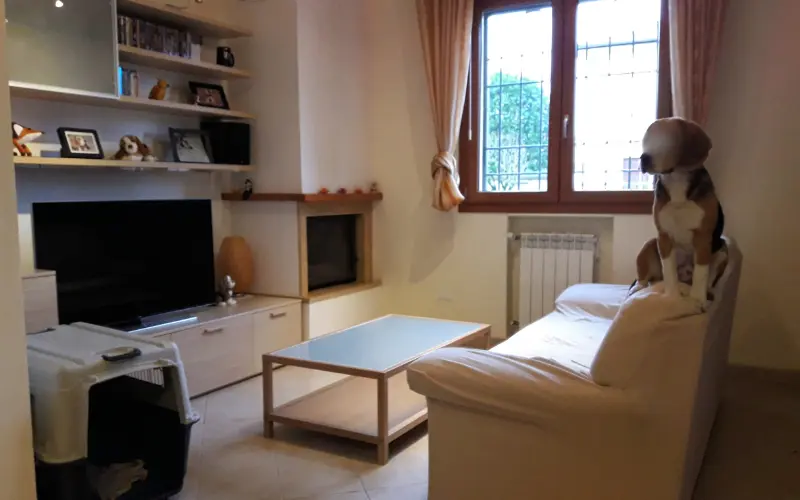
The Real Root of Most Destructive Behavior
According to VCA Animal Hospitals, destructive chewing and digging are largely normal behaviors that become a problem when a dog is bored, under-exercised, or under-stimulated. That lines up with what I see constantly in my own work.
Leave a highly active, intelligent dog alone all day with nothing to do, and he won’t just sit quietly and wait. He’s a social, driven animal with real needs. Left unmet, that energy has to go somewhere. It usually goes into jumping on furniture, inventing imaginary targets to “hunt,” or turning a cushion into a genuine victim.
What Destructive Behavior Actually Looks Like
Destructive behavior rarely looks dramatic in the moment. It builds slowly, then shows up all at once.
A dog who’s under-stimulated might start with small things: a sock here, a shoe there. Left unaddressed, it escalates. Chewed furniture legs. Shredded pillows. Knocked-over plants. Countertops raided the second your back is turned.
None of this means your dog has a behavioral disorder. If you’re still wondering why your dog is so destructive at this point, the answer is usually simple: his needs and his daily routine are seriously mismatched.
How to Actually Fix It, Not Just Manage It
Match Activity to Your Dog’s Real Needs
Start by asking what your dog was actually bred to do, and give him a legal, safe version of it.
A scent hound benefits enormously from nose work games. Retrievers need things to legitimately carry and chew. A herding breed does well with structured, high-focus tasks. This single mindset shift changes everything.
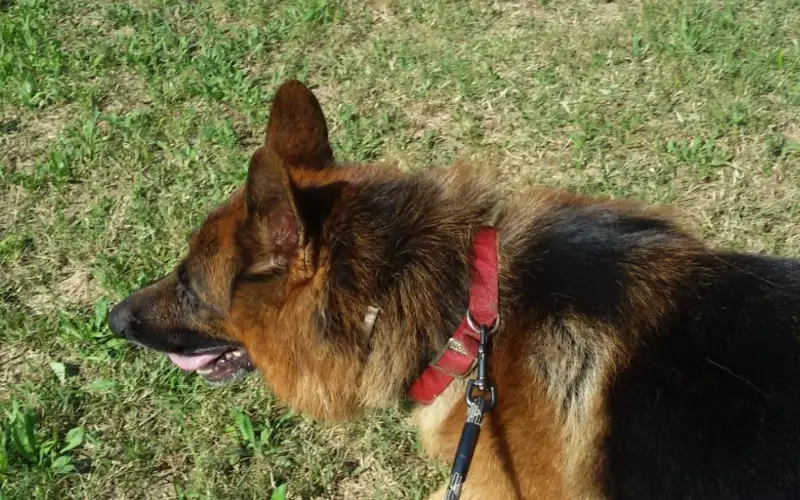
Give the Nose (or Body) a Job Every Day
Ten focused minutes of a real “job” beats an hour of aimless time in the yard.
Hide small pieces of food or a favorite toy around the house or yard, and let your dog search for them. Rotate a few interactive puzzle toys throughout the week so nothing gets boring or predictable.
Build In Real Physical Exercise
A short, slow stroll around the block rarely burns off real energy in an active dog.
Aim for at least two brisk walks a day, with enough duration and pace to genuinely tire him out, not just empty his bladder.
If your regular route feels stale, an enrichment walk can pack a lot more mental and physical satisfaction into the same amount of time.
Add Positive Social Interaction
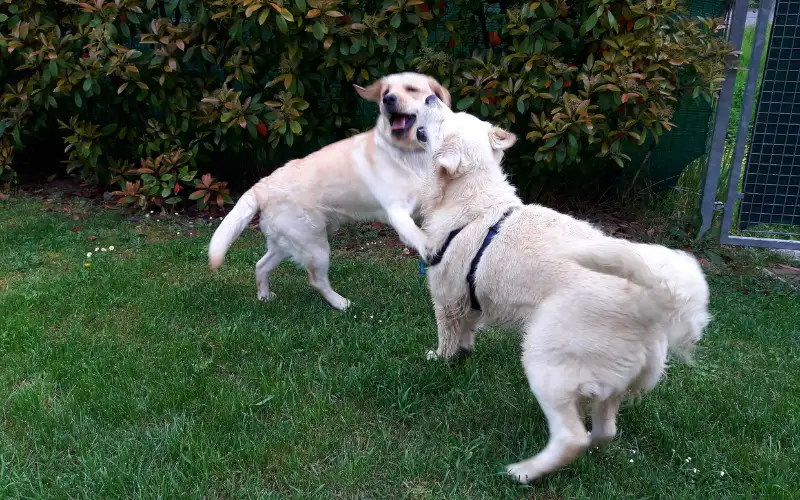
Regular, well-matched play with other dogs and calm interaction with people meets a real social need many owners underestimate.
A dog who gets this regularly has far less pent-up frustration looking for an outlet.
Why Is My Dog So Destructive? When It’s Not Just About Boredom
Sometimes destructiveness isn’t about unmet activity needs at all. If it happens specifically when you leave, and comes with pacing, drooling, or vocalizing before you even walk out the door, that’s worth mentioning to a professional. Separation-related distress is worth ruling out. This guide on building healthy independence in a young dog is a good place to start if that pattern sounds familiar.
And if chewing specifically is your dog’s main outlet, whether or not the rest of the house stays intact, this deeper look at chewing behavior covers that piece in more detail.
A Word About How You Respond
I want to be direct about something. Punishing a dog after the fact for something he did an hour ago doesn’t work. He can’t connect the punishment to the act. All it teaches him is that you’re unpredictable, which damages trust without solving anything.
There’s a much better way to think about this. You’re not trying to suppress your dog’s nature through force. You’re trying to redirect it, consistently and fairly, toward something you can both live with.
Dogs who feel understood and appropriately challenged rarely need much correcting at all. The destructive behavior mostly disappears on its own, because the underlying need finally has somewhere legitimate to go.
Why Is My Dog So Destructive? Bringing It All Together
Genuinely satisfying a dog’s real needs, every single day, solves the vast majority of the “why is my dog so destructive” cases I encounter. It takes consistency, not perfection. Missing a day here and there won’t undo your progress, as long as the overall pattern holds.
If you’d like a more complete, structured framework for building focus, calm, and genuine engagement in your dog, this is exactly the kind of foundation the K9TI Total Transformation Masterclass is designed around. I recommend it often to owners dealing with exactly this problem, because addressing the root cause tends to work far better than any quick fix.
Let’s Hear From You
If you’re still asking “why is my dog so destructive?” after trying the basics, tell me more in the comments.
Every dog’s specific mix of breed, energy, and routine is a little different, and I’m glad to help you think it through.
And if you’re ready to build real structure and focus into your daily routine together, the K9TI Total Transformation Masterclass is a genuinely solid place to start.