

Disclosure: This post about heat stroke in dogs contains affiliate links. If you click through and make a purchase, I may earn a commission — at no extra cost to you. I only recommend products and courses I genuinely believe in, and all opinions expressed here are my own.
I’m a certified dog trainer, not a veterinarian. Nothing here replaces a professional exam. Heat stroke in dogs is a genuine medical emergency. If you suspect it, start cooling your dog immediately and call your vet or the nearest emergency clinic right away.
Heat stroke in dogs is one of those dangers that gets talked about every summer. Somehow, it still catches people off guard.
It’s not an exaggeration to say it can kill a dog in minutes. Understanding how it happens, and what to do the moment you suspect it, genuinely saves lives.
Heat Stroke in Dogs: Why It Happens So Easily
A healthy dog’s normal body temperature sits around 101 to 102.5°F. That’s already higher than ours. It gives a dog far less room before things start going wrong.
Dogs also can’t cool down the way we do.
They have almost no sweat glands except on their paw pads. Their main tool is panting: fast breathing that evaporates moisture off the tongue and cools the blood passing through it. It’s a system inherited from ancestors built for cooler climates. It simply isn’t very efficient in serious heat.
In hot, humid, poorly ventilated conditions, panting can’t keep up. Body temperature climbs. Left unchecked, it leads to shock, organ damage, and death, often within a very short window.
Which Dogs Are at Higher Risk
Every dog can develop heat stroke, but some are more vulnerable than others.
Flat-faced breeds, Bulldogs, Pugs, Boxers, and similar brachycephalic dogs, struggle to move air efficiently even on a normal day. In serious heat, that disadvantage becomes dangerous fast.
Senior dogs and dogs carrying extra weight also face higher risk. Both conditions make the body less efficient at regulating heat. If you’re not sure where your own dog stands, I’ve put together a simple home check for figuring out how to tell if your dog is overweight.
Thick, heavy coats and certain health conditions add risk too. None of this means other dogs are immune. It just means these dogs need extra caution.
Warning Signs of Heat Stroke in Dogs
Catching it early makes an enormous difference.
- Watch for heavy, rapid panting that doesn’t let up.
- Bright red or unusually dark gums are a red flag too. They sometimes shift toward blue or purple as the condition worsens.
- Restlessness, unusual agitation, and general distress often show up early.
As things progress, you may see excessive drooling, vomiting, stumbling, or a loss of coordination. In severe, advanced cases, seizures and collapse can follow.
Any of these signs, especially in hot weather, deserve an immediate response, not a wait-and-see approach.
What to Do Right Now If You Suspect Heat Stroke
Move your dog out of the heat immediately, into shade or an air-conditioned space.
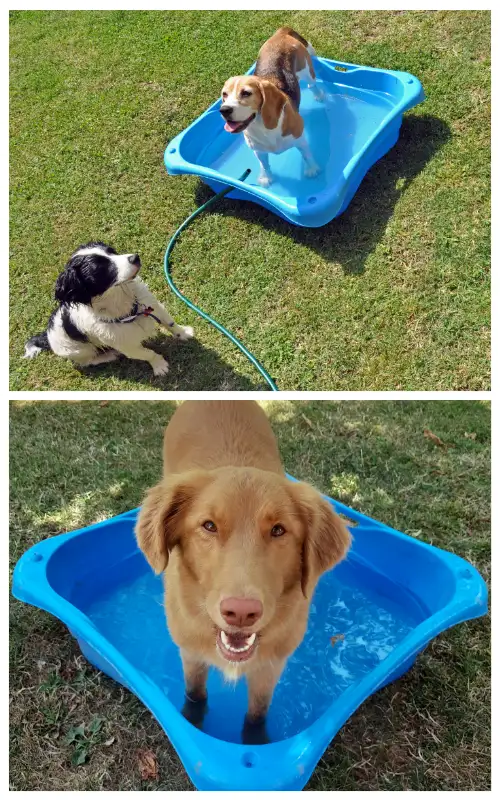
Begin cooling them with cool water. Not cold, and definitely not ice water. A sudden temperature shock can actually make things worse.
Focus the water on the paws, belly, armpits, inner thighs, and ears. Those spots cool the blood efficiently.
- Avoid soaking the back and heavy fur there. A wet coat can trap heat against the skin and work against you.
- Don’t cover your dog with wet towels either. A damp towel can actually block evaporation and heat loss instead of helping.
A fan blowing over your dog while damp helps a lot. It works better than air conditioning alone, since moving air speeds up evaporative cooling.
Call your vet or the nearest emergency clinic immediately, and get your dog there as fast as you safely can. Stay calm and speak gently during the drive. Extra stress and fear add strain on a heart that’s already working overtime.
A veterinary exam matters even if your dog seems to recover quickly. Heat stroke can cause internal damage that isn’t obvious from the outside. A professional needs to confirm your dog is actually stable.
The Danger of Parked Cars
Never leave a dog alone in a parked car. Not even briefly, not even with the windows cracked, not even in the shade. Car interiors heat up far faster than most people expect. It can turn into a genuine death trap within minutes on a warm day.
If you ever see a dog alone in a hot car showing signs of distress, it’s worth knowing your local laws ahead of time. In many places, you’re within your rights to contact local authorities immediately.
For any trip where your dog will be in the car with you, my complete guide to dog car safety covers heat risk along with everything else that matters on the road.
How to Prevent Heat Stroke in Dogs
Prevention beats emergency response every time.
- Skip walks during the hottest hours of the day. Swap that time for early morning or evening instead. A big yard doesn’t replace this need. I’ve written more about why a big yard alone isn’t enough exercise for most dogs. The same logic applies here: timing matters just as much as getting your dog moving in the first place.
- Keep fresh, cool water available at all times, in a shaded, well-ventilated spot. A frozen treat or a stuffed, frozen puzzle toy gives your dog a fun way to cool down from the inside.
- Wetting the paws, belly, and ears periodically throughout a hot day helps too, using the same cooling points mentioned earlier.
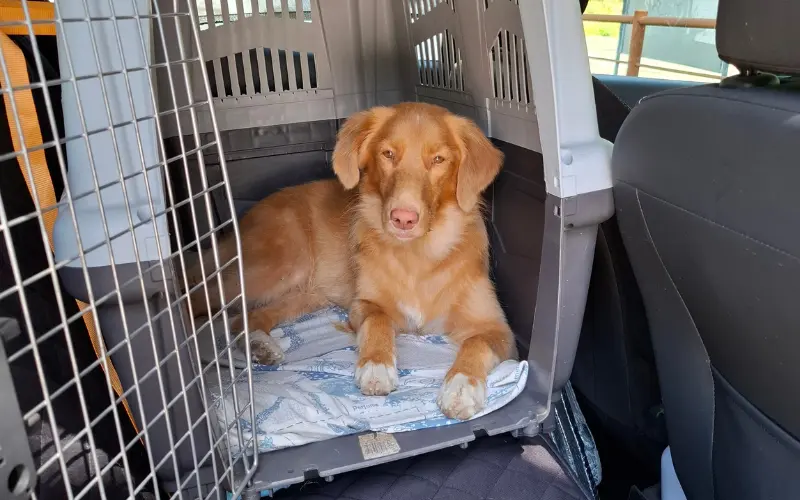
- If you use a travel crate, a hard-sided one breathes better than a soft fabric one. Never drape a crate with fabric to “shield it from sun.” That traps heat instead of blocking it.
- Cooling vests, bandanas, and mats can genuinely help on top of all this. Just follow the product’s instructions, and still stick to the basics above.
Knowing your dog’s normal energy and behavior baseline also makes it much easier to spot something like heat stroke early, before it turns serious.
That kind of attentive, structured relationship is exactly what the K9TI Total Transformation Masterclass helps build, and you can try the first lesson for free right here.
Heat Stroke in Dogs: The Bottom Line
Heat stroke in dogs is fast, serious, and genuinely preventable in the vast majority of cases.
Know the early signs. Act immediately if you see them, and build a few smart habits into hot-weather days before trouble ever starts. A little planning goes a long way toward keeping your dog safe all summer long.
Have you ever dealt with a close call involving heat in your own dog?
I’d love to hear what happened and what you learned in the comments below.
Sharing real experiences like this might be exactly what helps another owner catch it in time.