
Disclosure: This post about how to stop puppy biting contains affiliate links. If you click through and make a purchase, I may earn a commission — at no extra cost to you. I only recommend products and courses I genuinely believe in, and all opinions expressed here are my own.
If you’re searching for how to stop puppy biting, I can guess what your hands look like right now. Tiny red scratches. A sleeve with a few new holes. Maybe a sock that will never be the same.
First, take a breath. Your puppy isn’t mean, and you’re not doing anything wrong. Biting is one of the most normal things a young dog does.
In my work as a trainer, it’s also one of the first worries new owners bring to me. The good news is that you can shape it. You don’t need to fight it, and you certainly don’t need to wait in silence for it to pass.
In this guide, I’ll explain why puppies bite so much, what teething has to do with it, and the calm, practical steps that actually help. Everything here is something you can start using today.
Why Is My Puppy Biting So Much?
To understand the biting, it helps to see the world through your puppy’s eyes. Or rather, through their mouth.
The Oral Phase: Your Puppy Is Tasting the World
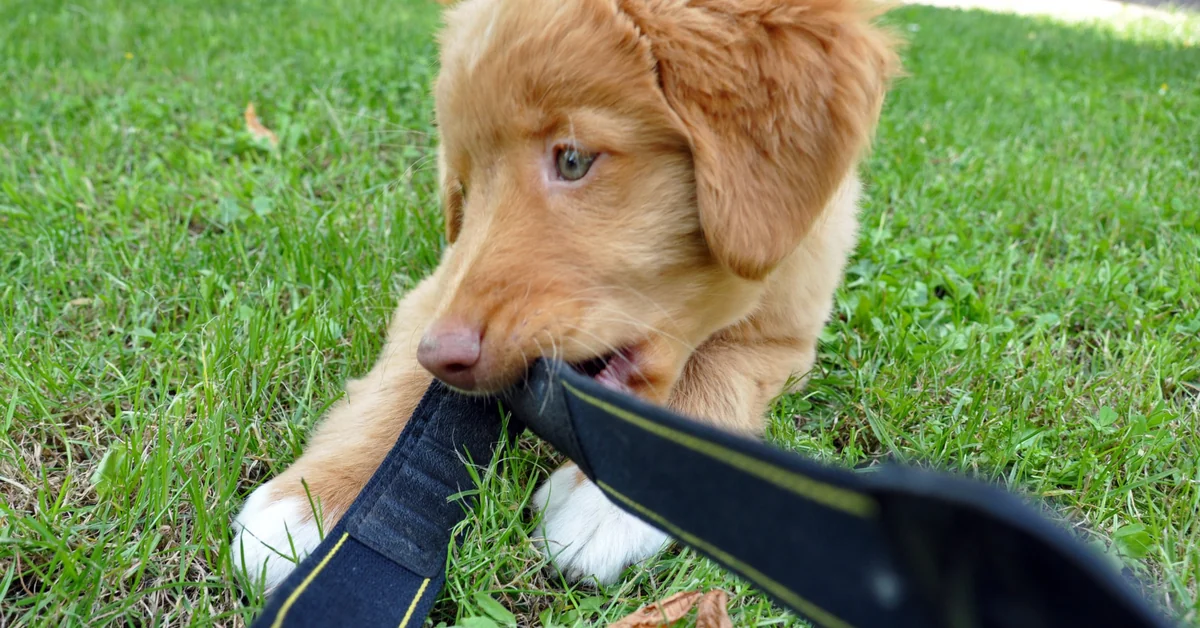
Young puppies go through what I call the oral phase. During these months, the mouth is their main tool for exploring. A puppy doesn’t have hands to pick things up, turn them over, or test how they feel. So they use their teeth.
In practice, your puppy is quite literally tasting everything they can reach. Slippers, cables, table legs, your fingers. Each object is a little experiment. Is it soft? Does it move? Can it squeak? And how does it taste?
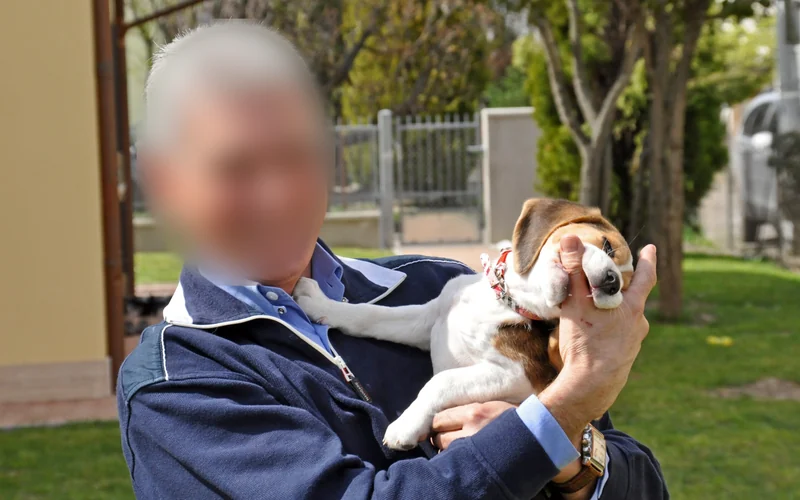
Our Beagle Diana was a perfect example. As a puppy, she treated every shoe in the house as a research project. She had her own toys, of course. But a slipper that smelled like us was always more interesting.
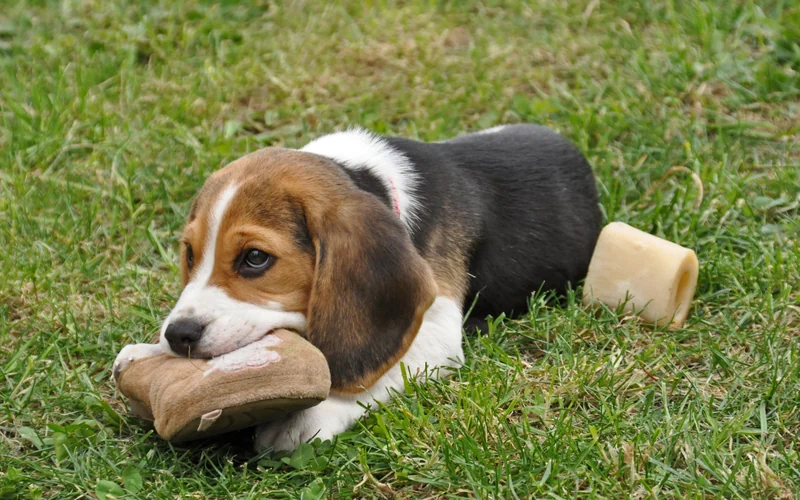
This is also why the problem usually fades with age. As your puppy grows, that urge to sink their teeth into everything becomes much weaker. Your job is to guide the phase, not erase it.
Why Your Hands Are the Favorite Target
Hands are warm, they move fast, and they smell like the most important person in your puppy’s life. To a young dog, that makes them the best toy in the room.
Puppies also play with their littermates using their mouths. When one bites too hard, the other yelps and the game stops. That’s how they start learning to soften their bite. According to the ASPCA, this skill is called bite inhibition, and puppies can keep learning it from people, too.
So when your puppy grabs your hand, they’re usually inviting you to play. They simply haven’t learned yet that human skin is much more delicate than puppy fur.
Teething: When Biting Comes With Sore Gums
There’s a second reason for all that chewing. Your puppy is changing teeth.
Puppies have 28 baby teeth, and those needle-like teeth don’t stay long. As VCA Animal Hospitals explains, they start falling out at around 12 weeks of age. By about six months, the adult teeth have usually come in.
During this period, the mouth can feel sore and itchy. Chewing helps relieve that discomfort, so your puppy looks for something, anything, to chew on.
Something cold can really help here. My favorite option is a rubber toy like a Kong, filled with plain yogurt or a little soft cheese, then frozen. It keeps a teething puppy busy and soothes the gums at the same time. A damp washcloth, twisted and frozen, works well too, as long as you’re watching.
A word of caution about ice. I don’t recommend ice cubes. Hard objects can damage teeth, and veterinary dentists often advise against letting dogs chew anything that doesn’t bend. A cube can also be swallowed whole. If you do use ice, offer only small chips, under constant supervision, and only during teething. Treat it as a short-term comfort, not a daily habit.
If you want to understand why chewing matters so much for dogs, beyond teething, I wrote a whole post on the benefits of chewing for dogs.
How to Stop Puppy Biting Without Losing Your Cool
Here’s the part that sounds simple and feels hard. Don’t get angry, don’t get agitated, and please don’t yell.
I know. When you find your puppy shredding a roll of toilet paper, or your favorite shoe, the first reaction isn’t exactly calm. It’s human. I’ve been there too.

But dogs are deeply sensitive to our emotions. When you shout, your puppy doesn’t think, “Oh, I shouldn’t chew paper.” They feel your tension, and that tension spreads. I’ve written about this in my post on emotional contagion in dogs. Your stress becomes their stress, and a stressed puppy tends to bite more, not less.
There’s a long-term cost as well. If yelling becomes a regular habit, your puppy learns to link your hands and your voice with fear. That negative charge can follow them into adulthood. Physical punishment is even worse. It can turn playful mouthing into fearful, defensive biting.
So what can you do when you catch your puppy in the act? If the object is precious or dangerous, stop them calmly. A short, quiet “no” is enough. You can also bring your hands gently close to their mouth to take the object away. If you’d like a reliable way to do this, my guide on how to teach a dog to drop it walks you through it.
If nothing valuable is at stake, though, just let it go. Clean up later. A ruined paper roll isn’t worth the damage that anger does to your relationship.
The Trade: How to Stop Puppy Biting With a Better Option
This is the heart of my approach. Whenever your puppy is chewing something that’s off-limits, offer a trade.
The idea is simple. You don’t just take away the forbidden thing. You give your puppy something they are allowed to chew instead. A rope toy, a rubber chew, a frozen Kong.
If you only ever take things away, the lesson is confusing. If you swap the cushion for a toy, the lesson becomes clear: “Not that one. This one.”
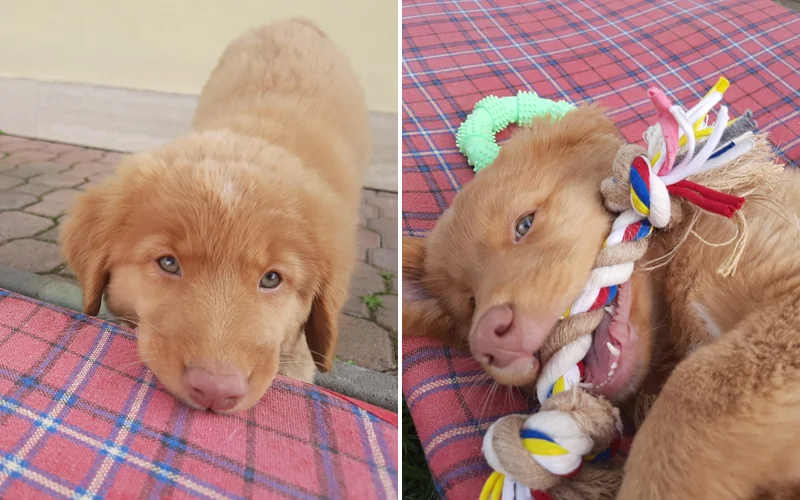
The same trade works for hands and clothes. The K9 Training Institute’s Total Transformation Masterclass covers this well in its bonus class on kids and dogs. When you pet your puppy, hold a chew toy in one hand and stroke them with the other. Their mouth goes to the toy, and they get used to being touched without nipping.
If your puppy grabs your hands or sleeves anyway, fold your arms across your chest. Look away and calmly step out of reach for a minute. The fun simply stops. Try not to jerk your hands away fast, because that turns them into prey and invites another grab. The class also suggests a quick leash tug in some cases. I prefer to skip that and simply end the game.
Many trainers, K9TI included, also use a short “ouch!” before stepping away. It can work well. Some puppies, though, get even more excited by high-pitched sounds. Watch your own puppy and keep what works.
Meet the Needs Behind the Biting
A lot of biting has nothing to do with teeth. It’s what happens when a puppy’s basic needs aren’t met. That’s why any honest answer to how to stop puppy biting starts with the basics.
In my work, I always start from four foundations. I explain them in detail in my post on how to make your dog happy, but here’s the short version for puppies:
- Organized space. Your puppy needs a calm place of their own and clear areas for resting, eating, and playing.
- Movement. Short, age-appropriate exercise every day. A bored puppy finds their own entertainment, usually with their teeth.
- Social contact. Gentle time with people and with friendly, vaccinated dogs. Puppies who play with other dogs often bite humans less.
- Good health. Regular vet checks, good food, and enough sleep. Pain or hunger can make any puppy irritable.
Sleep deserves special attention. Puppies need a lot of it, often far more than owners expect. An overtired puppy behaves like a toddler past bedtime. The biting gets wilder, and nothing seems to calm them down. When that happens, the answer usually isn’t more play. It’s a quiet nap.
Keep everything proportionate to your puppy’s age. You’re not trying to wear them out. You’re trying to give them a balanced day.
Supervise, or Use a Safe Space
Whenever your puppy has something in their mouth, keep an eye on them. Puppies don’t only chew. Sometimes they swallow. A chunk of rubber, a piece of fabric, or a forgotten hair tie can become a serious emergency. VCA reminds owners that no toy is completely safe, even the recommended ones. Supervision is a quiet but essential part of how to stop puppy biting safely.
Of course, you can’t watch your puppy every second of the day. You have to cook, work, shower, and live. For those moments, keep your puppy in their own safe space. That might be a playpen with a comfy bed, water, and a couple of safe chews.
This space should never feel like a punishment. Its limits matter too, both in size and in time. A puppy shouldn’t spend most of the day confined. The pen is a short, safe pause, not a place where they live. I explain how to set one up in my guide to puppy playpen setup.
Puppy Biting FAQ
How do I stop my puppy biting my hands right now?
Stay calm and stop moving your hands. Offer a toy right away. If your puppy keeps going, fold your arms, look away, and step back for a minute. Then come back kindly and try again with the toy between you. When it comes to how to stop puppy biting, consistency matters more than any single trick. Everyone in the family should respond the same way. If you have children, my post on kids and dogs explains how to keep these moments safe for everyone.
When does puppy biting stop?
For most puppies, the intense biting fades once the adult teeth are in, around six or seven months. Some chewing continues longer, especially in mouthy breeds like retrievers. Our Toller, Fanta, still loves carrying a toy around the house. The difference is that she now knows exactly what belongs in her mouth. Don’t simply wait, though. The phase passes much more smoothly when you guide it.
Is my puppy’s biting ever a sign of aggression?
Very rarely, but it’s worth knowing the signs. Playful mouthing comes with a loose, wiggly body. A puppy who goes stiff, freezes, pulls back their lips, or growls is telling you something different. The bites also tend to be much harder. If you notice this pattern, especially when you handle or hold your puppy, contact a qualified professional early.
A Phase You Can Shape Together
Learning how to stop puppy biting isn’t about winning a battle. It’s about teaching a young dog how our world works, one calm trade at a time.
Stay patient. Offer the right object. Look after your puppy’s needs, and supervise when their mouth is busy. Most of all, keep your own emotions steady, because your puppy is reading them all the time.
If you’d like a structured, step-by-step path for the months ahead, the Total Transformation Masterclass is the course I studied myself. It covers puppy manners, calm handling, and much more. You can start with the free workshop and see if the approach fits you.
Now I’d love to hear from you.
What’s the strangest thing your puppy has tried to chew? Tell me in the comments.
Your story might make another tired puppy owner smile today.