
Disclosure: This post about reverse sneezing in dogs contains affiliate links. If you click through and make a purchase, I may earn a commission — at no extra cost to you. I only recommend products and courses I genuinely believe in, and all opinions expressed here are my own.
A quick note before we start: I’m a certified dog trainer, not a veterinarian. Nothing here replaces professional veterinary advice. If your dog’s breathing genuinely concerns you, please call your vet. Most of what follows is normal and harmless. But it’s always worth trusting your gut if something feels off.
Reverse sneezing in dogs sounds terrifying the first time you hear it. Your dog stands still, neck stretched out. He makes a loud, honking, snorting sound, almost like he’s choking.
Owners often panic and think their dog is having some kind of attack. In almost every case, he isn’t. Reverse sneezing looks alarming. But it’s usually harmless, over within seconds, and something your dog may experience more than once in his life.
What Reverse Sneezing in Dogs Actually Sounds Like
There’s no single way to describe the sound. That’s exactly why it confuses so many owners the first time.
Some call it a snort. Others describe a honk, a backward gasp, or a rapid series of snorting inhales through the nose. Picture a regular sneeze running in reverse. Instead of forcing air out, your dog is rapidly pulling air in.
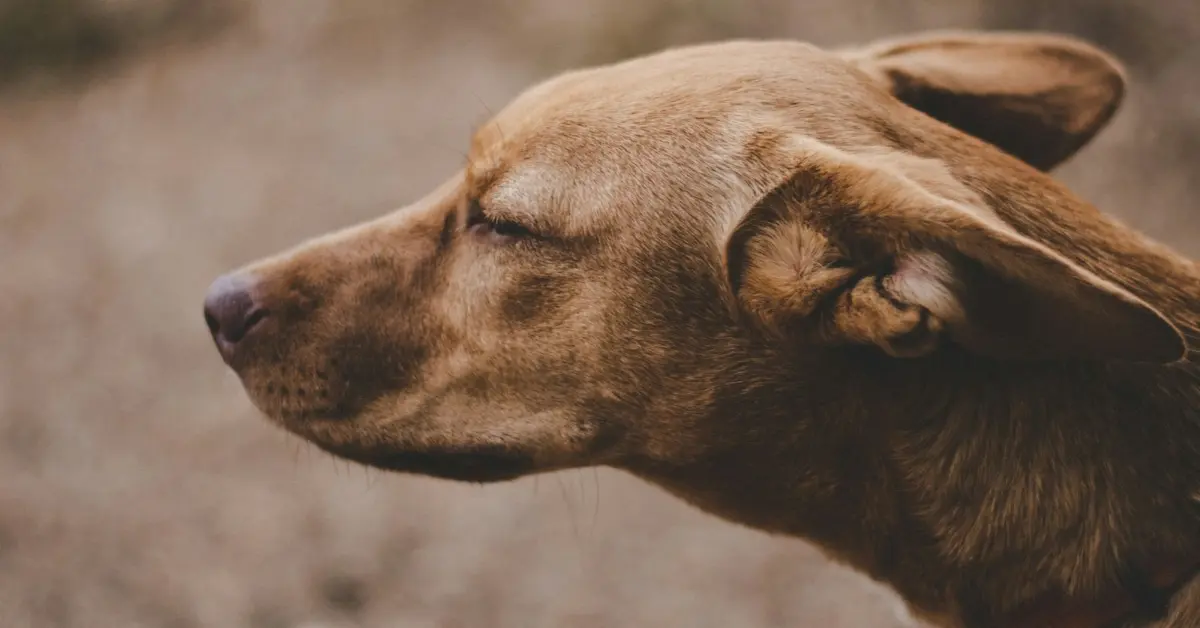
During an episode, your dog typically stands with his neck extended and his head tilted back. Elbows point outward, nostrils flare, and his chest pumps in and out as he makes the sound repeatedly, sometimes ten or more times in a row.
It looks dramatic. It sounds worse. For almost every dog, it’s over within seconds.
What Causes Reverse Sneezing in Dogs
Reverse sneezing happens when a dog’s soft palate suddenly spasms. That’s the flexible tissue at the back of the roof of the mouth.
The spasm narrows the trachea and briefly irritates the throat and nasal passages. Your dog’s body responds by pulling air in rapidly and repeatedly through the nose, trying to clear whatever’s irritating it. According to Cornell University’s College of Veterinary Medicine, this reflex likely works as a way to clear dust, allergens, or other irritants from the upper respiratory tract.
Almost anything that irritates a dog’s nose or throat can trigger it. Common culprits include:
- Pollen, dust, or other seasonal allergens.
- Strong smells, like perfume, cleaning products, or scented candles.
- Pressure on the trachea from a collar, especially during excited leash pulling.
- Excitement or overstimulation, like greeting you at the door.
- Eating or drinking too fast.
- Nasal mites or other parasites.
- A foreign object, like a blade of grass caught in the throat.
- Postnasal drip from allergies or a mild upper respiratory irritation.
For most dogs, there’s no way to pin down the exact trigger. That’s completely normal. Any irritation to the nose, sinuses, or throat can set one off, which is exactly why the cause so often stays a mystery.
What to Do During an Episode
Most episodes resolve on their own within a few seconds to about a minute. No help is needed at all. If you want to help your dog through it anyway, a few gentle techniques tend to work well.
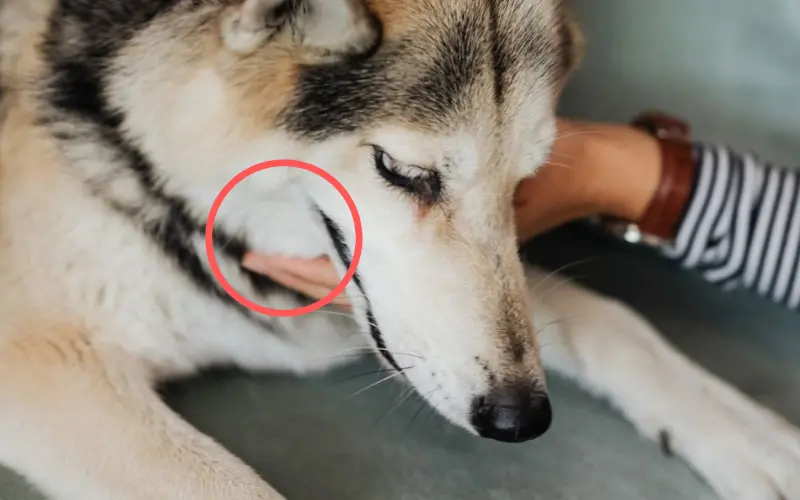
- Try gently massaging his throat, right where the neck meets the chest.
- Lightly covering his nostrils for a second or two often encourages a swallow, which can reset the soft palate.
- Some owners find that gently blowing on their dog’s face gets the same result.
Staying calm yourself also helps more than you’d think. Dogs pick up on our energy fast. A panicked reaction from you can make your dog more anxious about something that’s already resolving on its own.
Whatever you do, don’t restrain your dog tightly or pin him down. It won’t speed things up. It only adds stress to an already uncomfortable moment.
When Reverse Sneezing in Dogs Becomes a Reason to Call the Vet
Occasional reverse sneezing is normal, even for perfectly healthy dogs. A handful of signs are your cue to stop watching and start calling instead.
- Episodes lasting well over a minute without any letup.
- Reverse sneezing that happens daily or several times a week.
- Nasal discharge, especially if it’s thick, colored, or bloody.
- Visible swelling or asymmetry around the nose or muzzle.
- Other breathing difficulties outside of these episodes.
- A drop in appetite, or noticeably increased sleepiness.
Any one of these on its own is worth a call to your vet. If your dog needs one, my guide on how to choose a veterinarian for your dog can help you find someone you trust for exactly this kind of question.
Are Some Dogs More Prone to Reverse Sneezing?
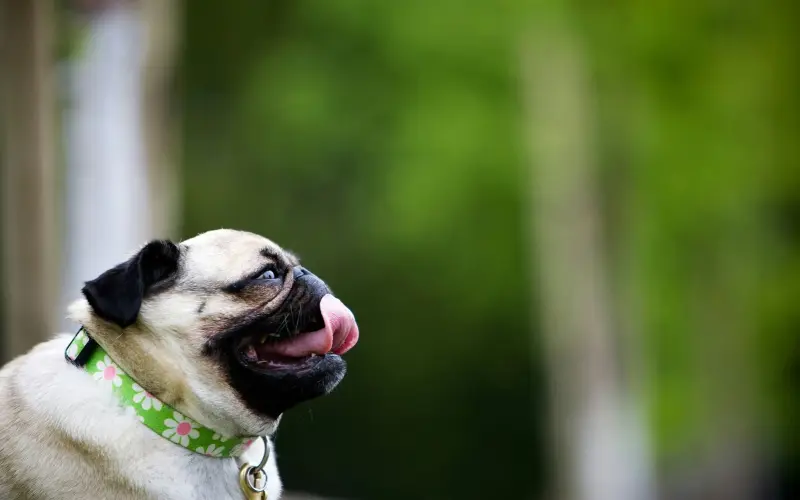
Brachycephalic breeds, the flat-faced dogs like Pugs, Boxers, and Bulldogs, deal with reverse sneezing more often. Their shortened nasal passages and proportionally longer soft palates make the whole area more sensitive to irritation.
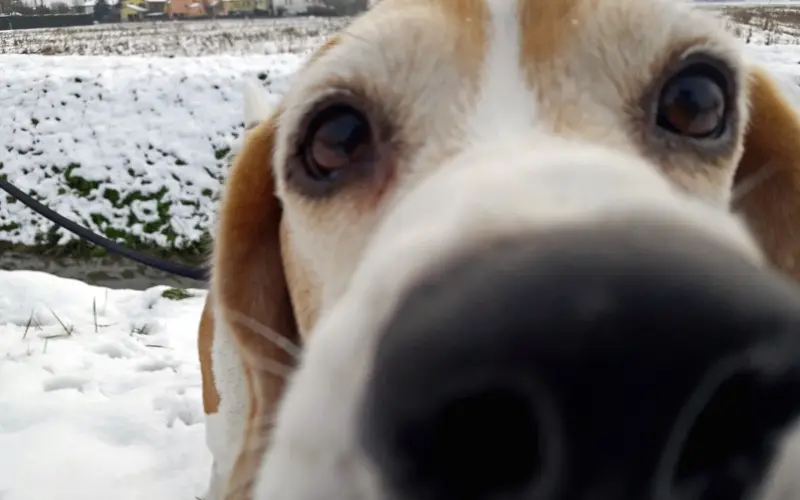
Beagles are a slightly different story. Their snouts aren’t shortened the way a Pug’s or a Bulldog’s are. But their throats tend to run smaller relative to their body size. That narrower anatomy still leaves more room for irritation. Reverse sneezing shows up in Beagles more often than you’d expect from a non-brachycephalic breed.
According to VCA Animal Hospitals, dogs with narrow nasal passages and longer snouts tend to be affected most, and smaller dogs in general are also commonly prone to it.
A Familiar Sound in Our House
Our Beagle, Diana, used to reverse sneeze fairly often. It happened most after an exciting greeting or a fast drink of water. The first time it happened, I’ll admit it startled me too. It sounded like she was choking.
My instinct was to rush over and do something. But it passed in a few seconds. She shook it off and went right back to whatever she’d been doing, like nothing happened.
That experience is exactly why I wanted to write this post.
Some dog owners reach out to me with real worry the first time they witness it. I always tell them the same thing I’m telling you here: watch, stay calm, and only escalate if the pattern actually changes.
A Calm Owner Makes for a Calm Dog
Reverse sneezing is one of those moments where your own reaction genuinely shapes your dog’s experience. Dogs read our energy closely, a dynamic I’ve written about in emotional contagion in dogs. A calm, steady response teaches him that a strange sound isn’t automatically a crisis.
That steadiness carries over into everything else you do together, from vet visits to loud noises to any surprise life throws his way.
Building that same calm, trust-based dynamic across daily life is exactly what the K9 Training Institute’s Total Transformation Masterclass is built around. It’s not just about commands. It’s about becoming the steady presence your dog can actually lean on, in the ordinary moments as much as the startling ones.
Has your dog ever had a reverse sneezing episode that caught you off guard?
I’d love to hear about it in the comments.