

Reverse Sneezing in Dogs: What It Is and When to Worry
Reverse sneezing in dogs sounds like your dog is choking, but it’s almost always harmless. Here’s what causes it, how to help, and the signs that actually warrant a vet call.
A well-behaved dog isn’t necessarily a happy one. This section explores the physical and mental needs behind a truly balanced dog — enrichment, rest, stress, body language, and everything that makes a good life possible.
Reverse sneezing in dogs sounds like your dog is choking, but it’s almost always harmless. Here’s what causes it, how to help, and the signs that actually warrant a vet call.

A dog scared of loud noises isn’t broken or confused — there’s a real reason behind it. Here’s what actually helps, backed by current veterinary behavior science.

A complete, vet-source-checked guide to the most common toxic foods for dogs — what to avoid, early warning signs, and exactly what to do if your dog eats something dangerous.

A trainer’s guide to the real benefits of chewing for dogs, from stress relief to better oral health.

Heat stroke in dogs can turn deadly in minutes. Here are the warning signs, immediate steps, and how to prevent it.

Swollen nipples, nesting, mothering a stuffed toy? Here’s why false pregnancy in dogs happens, how to spot it, and what to do about it.

Wondering if your dog is carrying extra weight? Here are the two simple, vet-based checks — no scale required — that work for any breed, size, or coat type.

A big yard isn’t enough to meet a dog’s real needs, no matter how large or lovely it is. Here is why daily walks still matter, and what actually happens when a dog only ever has the yard.
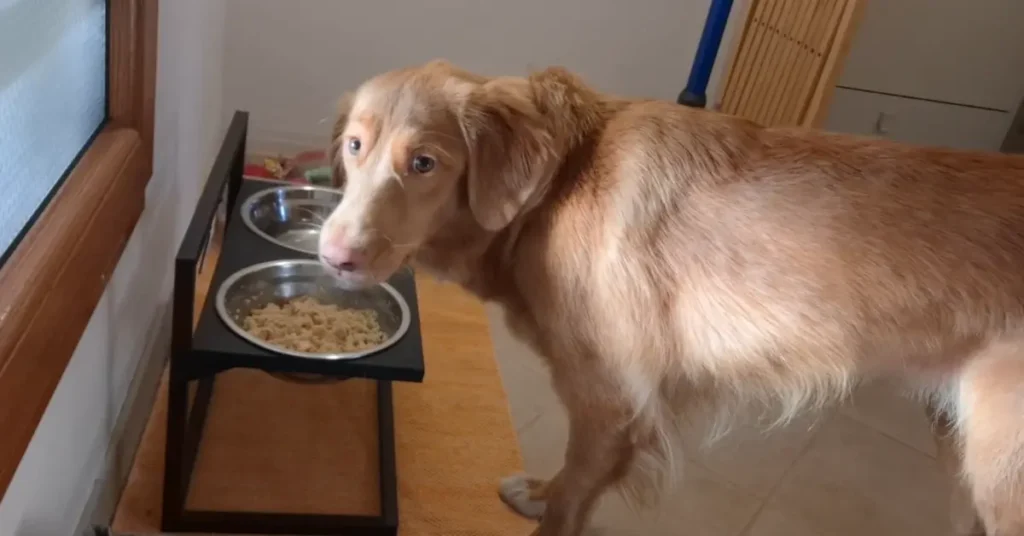
A dog not eating can mean almost nothing, or it can be an early warning sign. Here is how to tell the difference, how long is safe to wait, and which symptoms mean calling your vet right away.

Spaying and neutering dogs can shift some behaviors — but not all of them. Here’s what the research says, and why training still matters just as much after.